 Ndaba
What makes a live stream feel effortless?
The invisible systems behind a dependable broadcast: signal, sound, lighting, and a plan for failure.
02 October 2026 · NdabaTech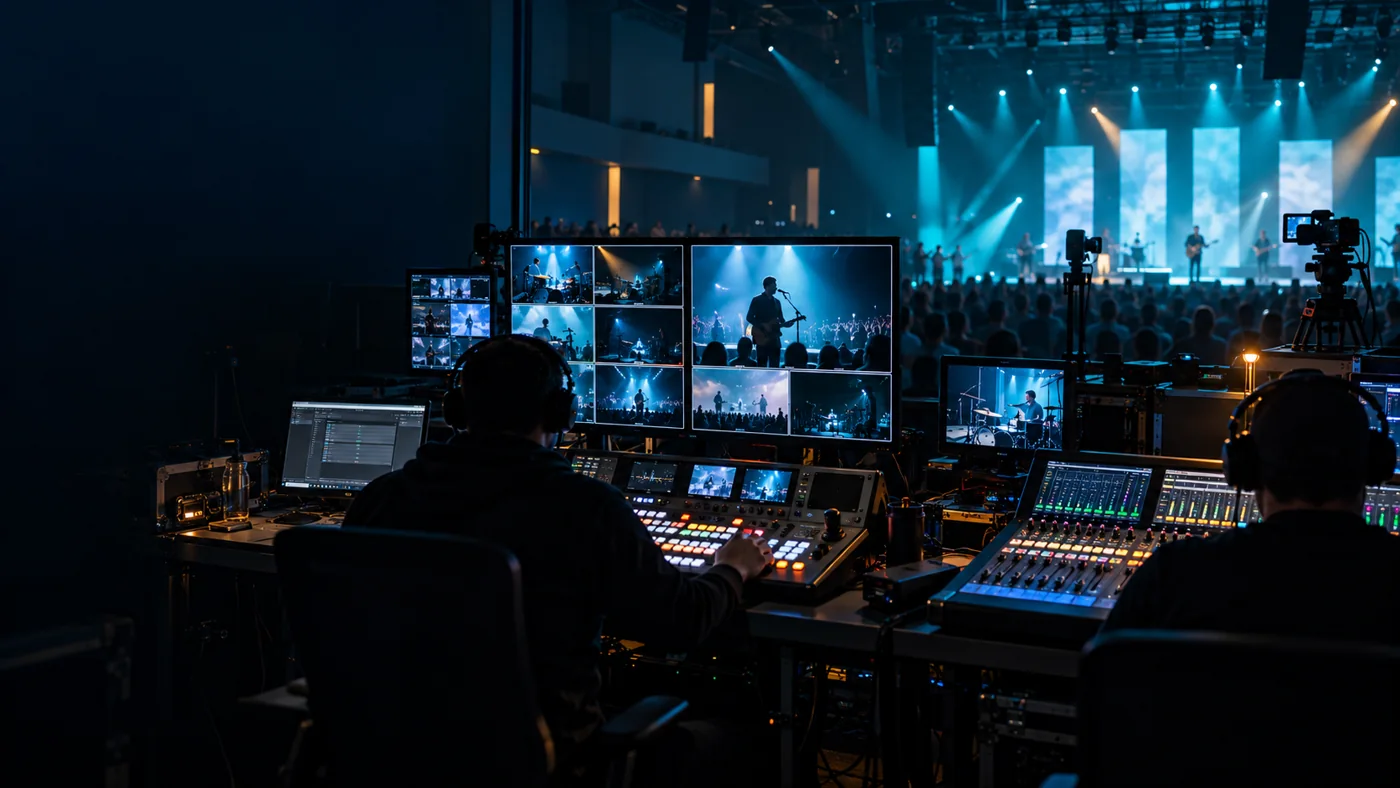
Map the signal before the show
A live broadcast is a chain of decisions. Camera paths, switcher inputs, audio routing, graphics, and the streaming destination all have to agree. Documenting the signal flow lets the team solve problems quickly and gives every operator a shared map.
The goal is not complexity for its own sake. The goal is a system that can be operated confidently by the people who will use it every week.
Give broadcast audio its own attention
A room mix and a stream mix serve different listeners. What works through sanctuary speakers may not translate through headphones or a phone. A dedicated broadcast mix, sensible monitoring, and a clear handoff between front of house and stream operators can make a larger difference than another camera.
Lighting also needs to serve both the room and the lens. Test exposure and color on the actual camera feeds, rather than judging only by eye from the floor.
Rehearse recovery, not just the run of show
Plan for a disconnected camera, a muted input, or a network interruption. Label connections, keep a recovery checklist, and run a short rehearsal with the real streaming destination. Reliability comes from making the next action obvious when something changes.